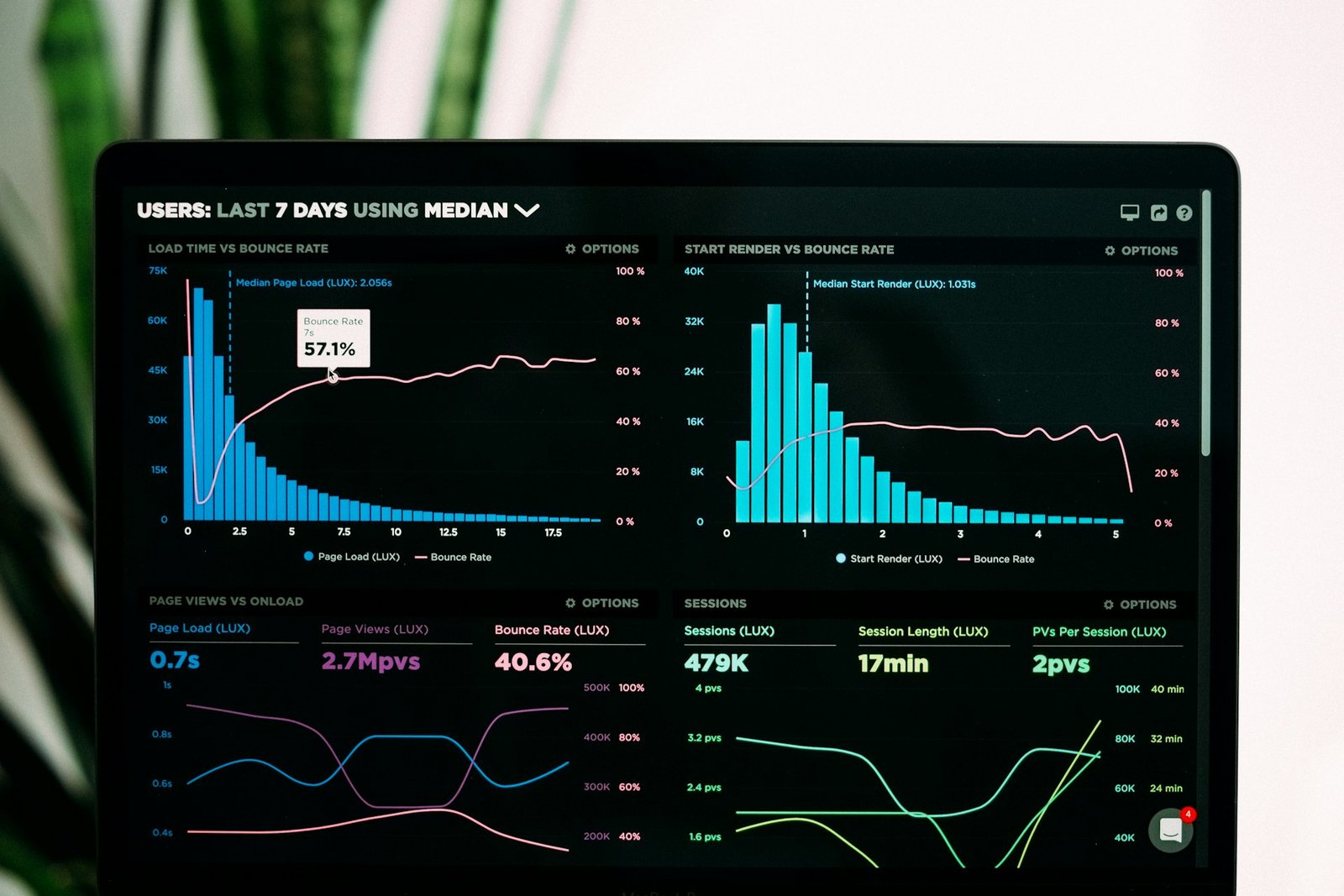
Digital Marketing & Customer Acquisition for Makkah Hospitality & Services
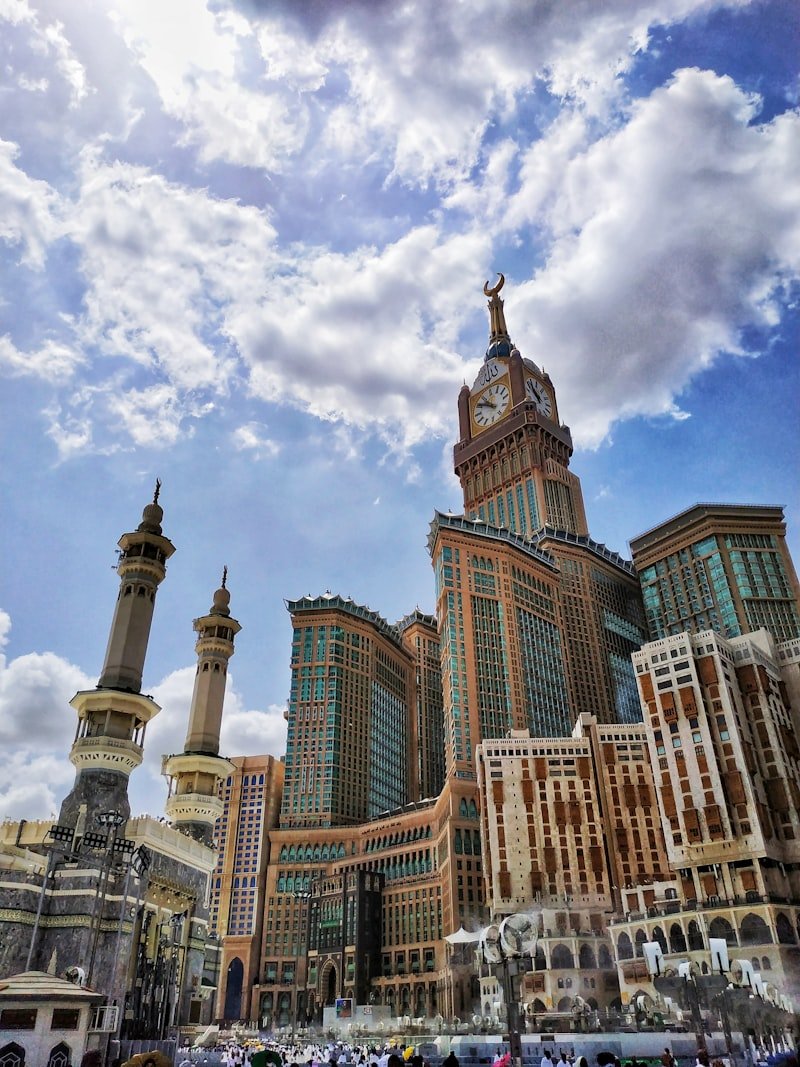
Makkah is one of the most unusual commercial markets in the world to market into, for a reason that is easy to state and hard to act on: almost all of your customers are abroad when they decide, and they are deciding in a language that is probably not Arabic.
A hotel, transport operator, catering business or service provider in Makkah is not competing for local attention. It is competing for the attention of someone in Jakarta, Lahore, Istanbul, Cairo, Lagos, London or Kuala Lumpur who is planning a journey months ahead, researching in their own language, and relying heavily on whatever appears first and looks trustworthy.
The language question is the whole strategy
Visitors arrive from across the Muslim world, and they search in their own languages. Arabic covers an important share of that audience and nothing close to all of it.
Practically, that means choosing two or three languages beyond Arabic and English based on where your actual guests come from — your own booking records are better evidence than any market report — and building properly in those, rather than adding ten machine-translated versions. Each language you add is a genuine commitment: real translation, someone to handle enquiries in it, and content maintained rather than published once.
The common failure mode is a site with a language switcher offering a dozen options, all produced by automatic translation, none maintained. It ranks poorly because the content is thin, and it converts poorly because a visitor planning a once-in-a-lifetime journey is unusually sensitive to anything that looks careless.
Reach people during planning, not at booking
The decision window here is long, and the valuable content sits early in it. People searching months ahead are asking practical questions: how far a location actually is from the Haram and what that walk is like, what a room with a particular view really means, what transport between cities involves, what to expect during a specific season, what documentation is needed, what things cost.
Content answering those questions honestly does three things at once. It reaches people long before the booking platforms do, it builds the trust that lets someone book direct with an operator they have never met, and it is exactly the kind of specific, experience-based material that aggregators cannot produce.
Be accurate and measured. Distances, walking times and views are the details guests check on arrival, and a listing that overstates them generates the reviews that cost far more than the booking earned.
Reducing dependence on aggregators
Booking platforms deliver volume and take a significant margin. You will not replace them, and trying to is usually a mistake. What is achievable is shifting a share of bookings direct, which is often the difference between a thin year and a good one.
What actually moves that share:
- A booking flow that works on a mid-range phone over a slow connection, since a large share of your audience is on exactly that. Every extra step costs bookings.
- A clear reason to book direct — a better rate, flexibility, an included service, a direct contact. Matching the aggregator price with no added benefit gives nobody a reason to switch.
- Payment methods your guests actually have, which varies considerably by country of origin.
- A real person reachable before booking, by WhatsApp or phone, in the languages you serve. For a journey of this significance, the ability to ask a question and get a human answer converts strongly.
- Your own search visibility for your property name, so people who discovered you on a platform and then searched for you directly land on your site rather than on a reseller.
Local search and reviews
Your Google Business Profile matters more than usual here, because visitors use maps constantly while navigating an unfamiliar, dense and heavily trafficked city. Keep it accurate: the correct category, current photos including the entrance and the approach, hours, and services listed plainly.
Reviews deserve particular attention. Guests arrive with high expectations and significant emotional investment, and reviews in multiple languages carry disproportionate weight for future guests from those countries. Ask for them routinely, reply to all of them including the critical ones, and treat recurring complaints as operational information rather than a reputation problem. Never buy reviews; in a category this scrutinised it is both detectable and damaging.
Plan for the season, not the month
The commercial calendar here is unlike any other market. Demand concentrates sharply around Ramadan and the Hajj season, with a steadier Umrah flow through the rest of the year, and the planning and booking activity runs months ahead of each peak.
Two consequences. First, your content and campaigns have to be live well before the demand, not during it — publishing seasonal guidance a few weeks ahead means arriving after decisions are made. Second, year-on-year comparisons need to be aligned to the Hijri calendar rather than to calendar months, or your reporting will show swings that are purely an artefact of the dates moving.
Official processes and permits for pilgrimage are administered through the Kingdom's own channels, including the Nusuk platform. Describe them accurately where they are relevant to your guests, link to the official source, and never position your business as a substitute for or a shortcut around them.
What to avoid
- Machine-translated language versions published in bulk and never maintained.
- Overstated proximity or view claims, which convert once and then cost you in reviews.
- Marketing that treats a deeply significant journey as a holiday purchase. Tone matters enormously here, and getting it wrong is remembered.
- Implying official status or affiliation you do not hold.
- Running campaigns only during peak season, when the decisions were made months earlier.
Frequently asked questions
Which languages should a Makkah hotel publish in?
Arabic and English as the base, then two or three more chosen from where your guests actually come from. Depth in a few languages outperforms shallow coverage of many.
How far ahead do guests book?
It varies widely by origin and season, but planning and research typically begin months before booking. That research window is where your content earns the booking, whoever eventually processes it.
Can we realistically compete with booking platforms in search?
Not on broad category terms, where platforms dominate. You can own your own property name, specific questions about your location and services, and the planning content aggregators do not write.
Is paid search worth it in this market?
For branded terms, almost always, to avoid paying a reseller for traffic already looking for you. For broad terms, often not, because you are bidding against platforms with far larger budgets and better conversion infrastructure.
Next steps
Look at where your guests actually came from over the last two seasons and whether you have real content in those languages. That comparison usually identifies the single highest-return project available to you.
Our Saudi Arabia SEO and Saudi digital marketing pages explain how we approach this, and the wider market context is in the Saudi Arabia digital marketing playbook. For the booking and checkout side, see what converts in Saudi e-commerce. Tell us about your property for a written review.
Want More Actionable Growth Strategies?
Join hundreds of founders and marketing directors getting our weekly search and ad performance breakdowns.